ESPINA SCIENTIFIC CAFÉ
REPORT
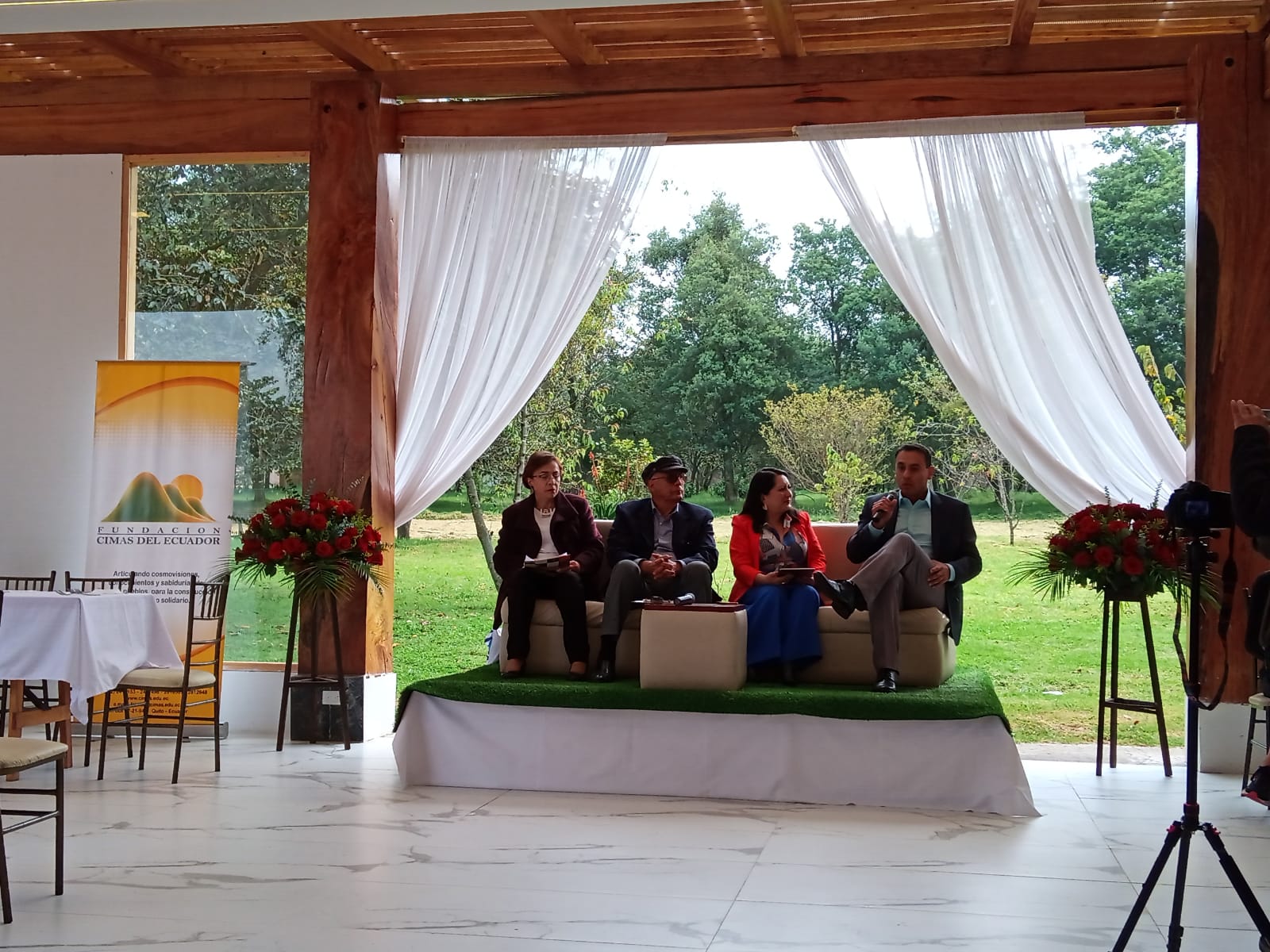
Fundación CIMAS del Ecuador, in coordination with the University of California, San Diego (UCSD), organized on Thursday, July 6, 2023, the discussion “Scientific Café: Pesticides, Health, and Agroecological Alternatives”—an interinstitutional dialogue aimed at connecting scientific evidence with the development of public policies in health, environment, and agricultural production.
The event featured participation from representatives of the Ministry of Economic and Social Inclusion (MIES), Ministry of Public Health, Ministry of Education, Pichincha Prefecture, parish-level Decentralized Autonomous Governments (GADs), and international institutions. All emphasized the significance of the ESPINA study (Secondary Pesticide Exposure in Infants, Children, and Adolescents) as one of the most important longitudinal environmental health research projects in the country.
During the discussion, researchers and members of the ESPINA team presented scientific evidence demonstrating the association between chronic exposure to agrochemicals and alterations in physiology, growth, and neurodevelopment in children and adolescents, both in the short and long term. The study’s findings have identified significant pesticide residues in food, water, and human biological samples, highlighting a structural problem of environmental exposure in regions with intensive agricultural activity.
Researchers José Ricardo Suárez and José Suárez Torres, specialists in public health and environmental epidemiology, analyzed the impacts of pesticides on human health, highlighting the differentiated risks faced by the most vulnerable groups, particularly children, pregnant women, and rural communities involved in floriculture and intensive agriculture.
Institutional Commitments and Sustainable Alternatives
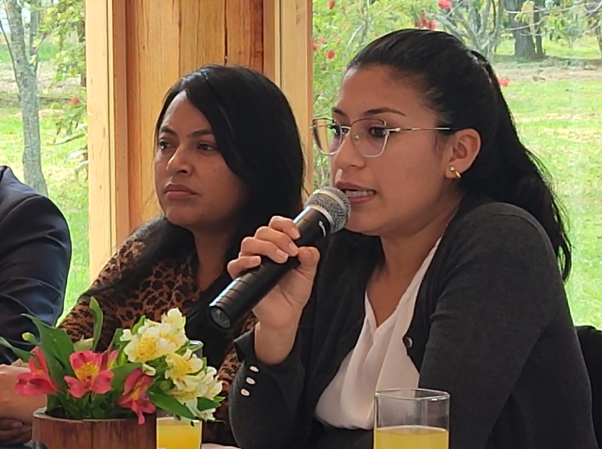
From an institutional perspective, representatives from MIES, the Ministry of Health, the Ministry of Education, and the Pichincha Prefecture emphasized the need to strengthen regulatory frameworks, prevention strategies, and educational processes that reduce exposure to agrochemicals, while promoting a culture of responsible production and consumption from an early age.
In this contextthe representative from the Ministry of Education Ana Belén Tapia, highlighted the absence of specific regulations ensuring adequate protection for pregnant women working in the floriculture sector, revealing a critical gap between labor legislation, public health, and reproductive rights.
Meanwhile, Dolores Lópezthe president of Fundación CIMAS emphasized agroecological alternativesas a strategic focus for Pedro Moncayo Canton, noting that the transition to sustainable agricultural systems not only reduces dependence on pesticides but also contributes to the protection of human health, biodiversity, soils, and water resources.
The Scientific Café on Pesticides, Health, and Agroecological Alternatives thus established itself as a platform for collaboration between science, government, and civil society, reaffirming the value of the ESPINA study as a key source of evidence for decision-making and the development of public policies aimed at protecting the environment and collective health.