PEDRO MONCAYO
Reason – History – Commitment
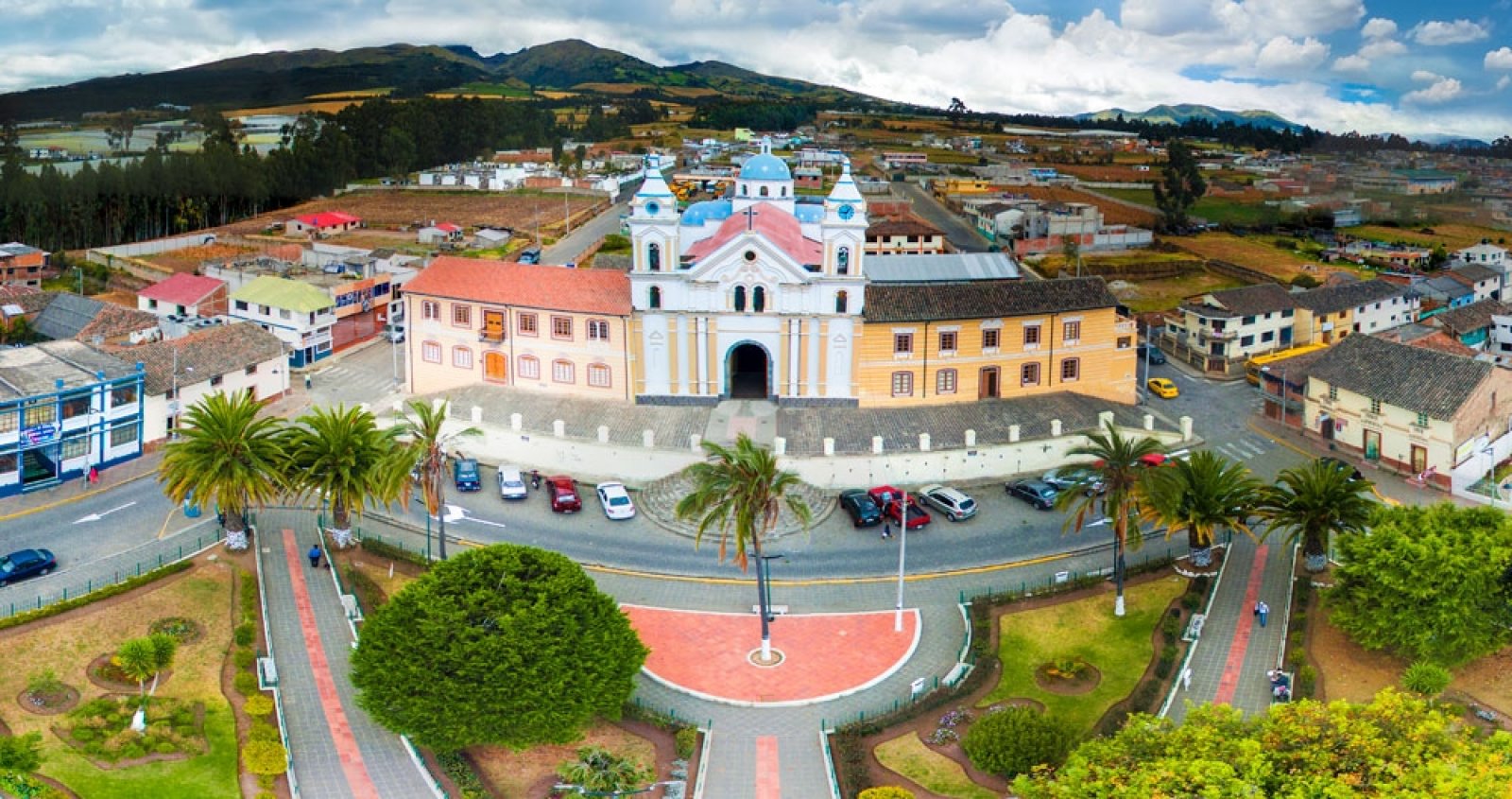
¿Why Pedro Moncayo Canton?
Pedro Moncayo Canton, located in the northern part of Pichincha Province, has a population of 40,483, mostly engaged in agriculture. Since 1985, rose production for export has become an important source of employment in the region. However, this activity has also produced economic, social, cultural, environmental, and health impacts on the local population.
In response to this reality, Fundación Cimas del Ecuador has conducted various research studies to analyze potential health effects in Pedro Moncayo, highlighting:
- The health status of Pedro Moncayo Canton.
- Community perceptions of the impacts of pesticide use.
- Effects on neuromotor development in preschool children due to secondary pesticide exposure.
- From an intercultural, gender, and generational perspective:
- Development of a Georeferenced Local Information System with community participation.
- Recovery of ancestral knowledge, health practices, and the use of medicinal plants.
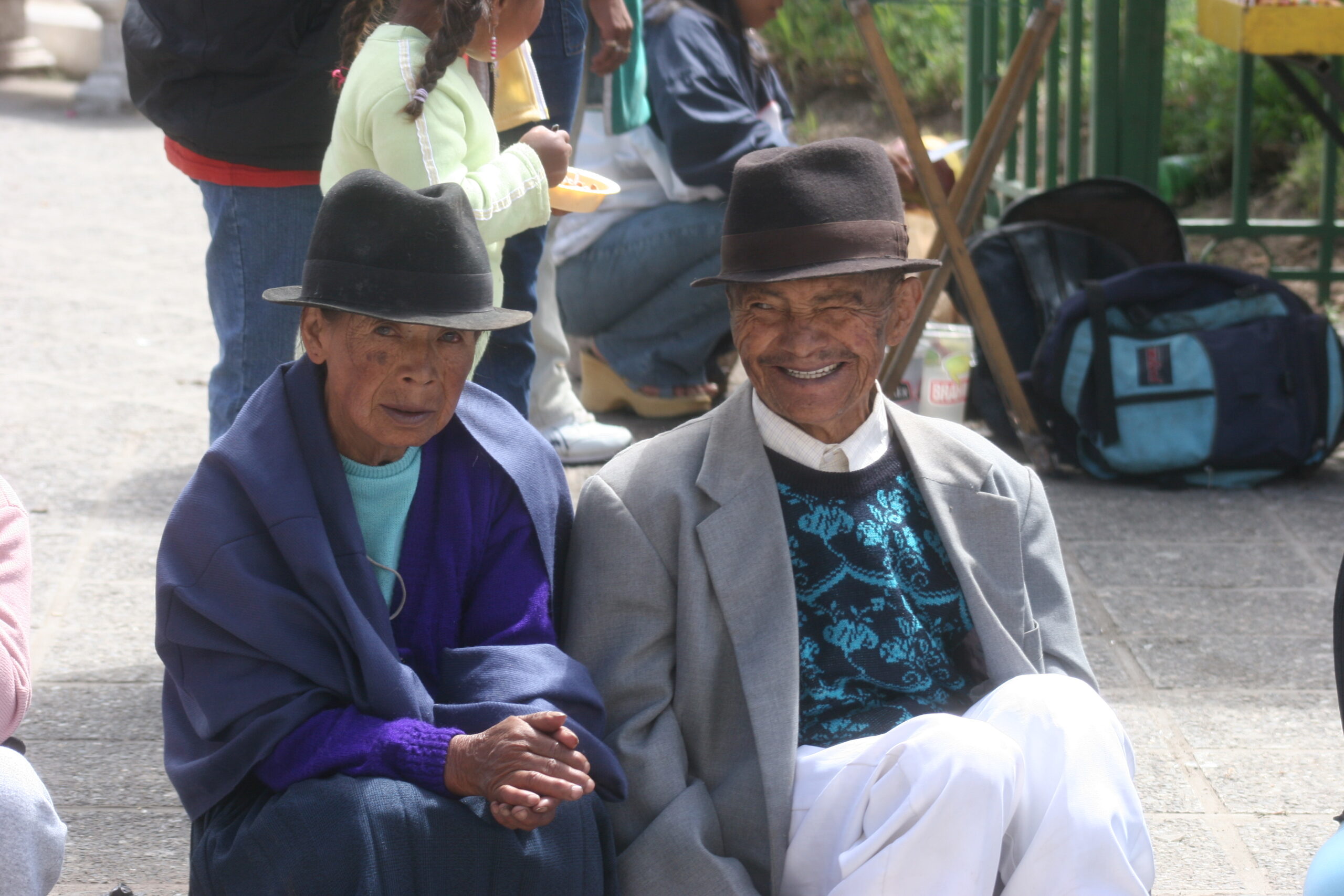
Between 2002 and 2004, the Pedro Moncayo Cantonal Health Council, in collaboration with the MIRT program at the University of Washington, conducted a participatory assessment to identify health needs at the community, parish, and cantonal levels. This work led to the creation of the Community Local Information System (SILC), a georeferenced system of households and families, updated in 2009 and 2017.
During this period, cantonal assemblies were organized to develop territorial planning and development plans. These participatory spaces revealed concerns about the intensive use of pesticides in flower plantations, which was linked to an increased incidence of cancer in the region. This highlighted the need to investigate the health effects of pesticide exposure.
In 2008, Fundación Cimas, together with the University of Minnesota and with funding from the U.S. National Institutes of Health, launched the ESPINA Project, a study focused on secondary pesticide exposure in children and adolescents.
Later, in collaboration with the University of California, San Diego, the project evolved into a longitudinal study with a cohort of 500 participants. This work, which continues today, is projected to extend through 2026, generating valuable data to understand the long-term health impacts of pesticide exposure.
CIMAS Trajectory
Our History of Work in Pedro Moncayo Canton
2000
HEALTH
- Cantonal Health Council.
- Comprehensive Health Plan.
AGREEMENTS
- OPS/PAHO.
SILC
- Community Local Information System (SILC).
CENTERS
- Health Promotion and Parish Development Center of Pedro Moncayo Canton (CAPSYD).
- Daily Care Center for Older Adults (CECUIDA)
RESEARCH
-Demographic and Health Census.
-Development of the ESPINA Project.
MEDICAL COOPERATION
Medical brigades from the University of Kentucky
- Fundation Judith Lombeida.
- Adopt a Village International.
- Rotario Club
- Hospital de los Valles
UPDATES
- SILC.
PDOTs
-Territorial Planning and Development Plans (PDOTs)-
SUSTAINABLE PRODUCTION
-Agroecological Farm (CINCA).
FAO
- Censo Agropecuario.
STRATEGIC UPDATE
- PDOTs Updates.
SECOND PHASE
- II Fase of ESPINA - TESC PROYECT.
- PDOTs Updates.
THIRD PHASE
- III Fase proyecto ESPINA.
THIRD PHASE
- IV Fase of ESPINA
SCHOLARSHIP PROGRAM
- María Pintado.
PARISH UPDATES
-PDYOT Updates, Rural Parish Councils of Pedro Moncayo Canton.