Study on Secondary Pesticide Exposure in Children and Adolescents – ESPINA
¿What is it?
The Secondary Pesticide Exposure Study in Infants, Children, and Adolescents (ESPINA) is an ongoing longitudinal research project in Pedro Moncayo Canton, Ecuador, running from 2008 to 2026. Its goal is to assess how pesticide exposure affects participants’ physiology, growth, development, and mental health.
Findings indicate that pesticides negatively impact physical, nutritional (increasing the prevalence of acute and chronic malnutrition), cognitive, and neurobehavioral development in children and adolescents, and elevate levels of depression and anxiety. Both short- and long-term effects have been evaluated.
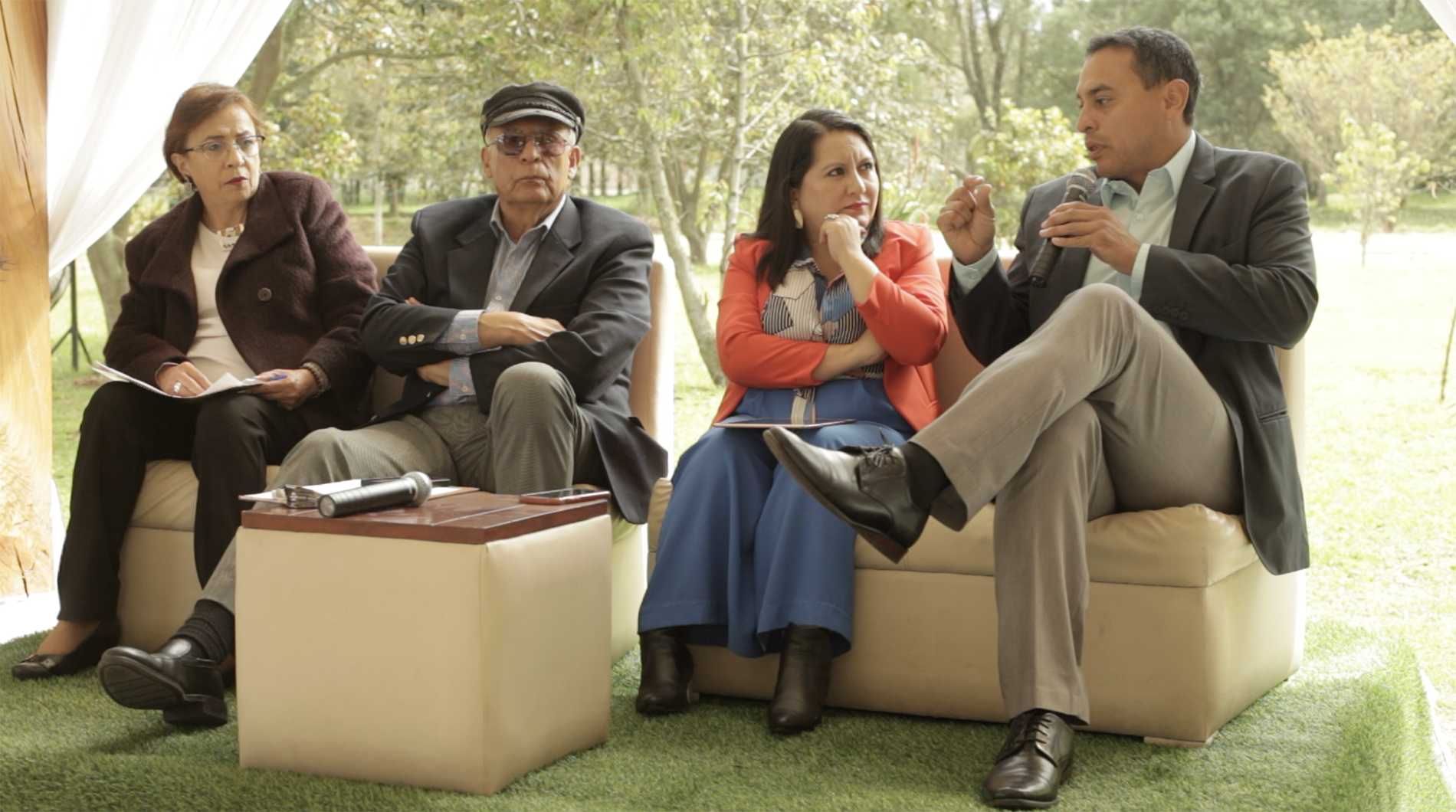
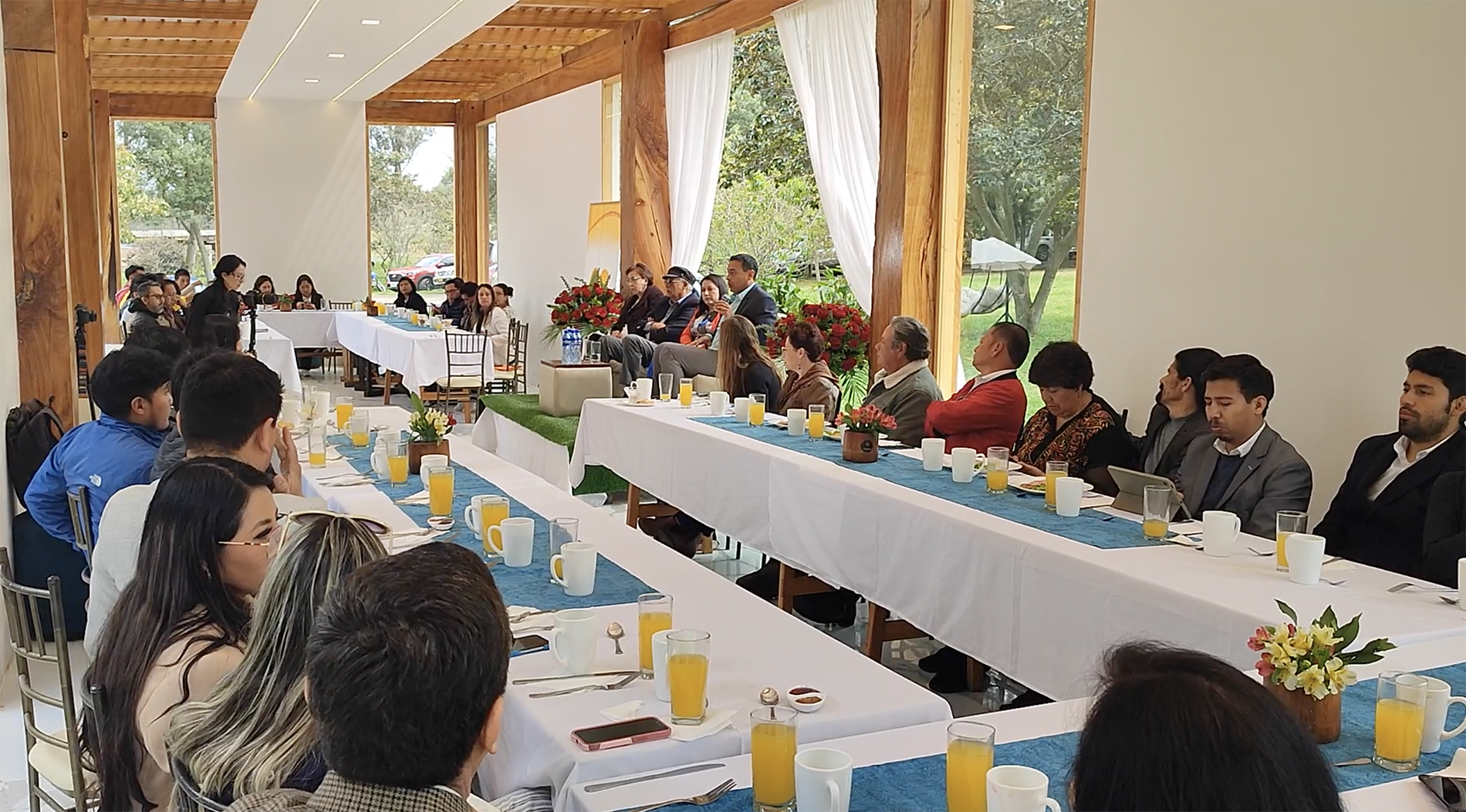
The project is carried out with support from the U.S. National Institutes of Health and local and national authorities in Ecuador. Currently, more than 500 participants are involved, many of whom began in 2008 as children. The study has produced over twenty publications indexed in SCOPUS, with Dr. José Ricardo Suárez López, founding partner of Fundación Cimas and collaborator at the University of California, San Diego, serving as principal investigator.
PHASES:
¿Who participates?
Year 2008
A total of 313 children aged 4 to 9 years from Pedro Moncayo Canton were selected to participate in this cohort study, maintaining an approximately balanced distribution between children living with flower plantation workers and those who did not live with them and had no direct pesticide exposure. A balanced distribution between males and females was also maintained.
Year 2016
Two follow-up visits were conducted: April and July–October. In April 2016, a second abbreviated examination was performed on 145 participants from the original visit and 185 newly recruited participants. In the third examination, from July to October 2016, 535 participants were assessed, of whom 404 had been examined in a previous visit and 131 were newly recruited. At that time, participants were aged 12 to 17 years.
Year 2022
A new follow-up examination was conducted, inviting all participants from previous periods. A total of 505 participants from the canton were examined, aged 17 to 25 years.
¿What Do the Participant Examinations Consist Of?
A series of assessments have been conducted during the different study periods:
- Anthropometric measurements
- Neurobehavioral and cognitive development evaluations
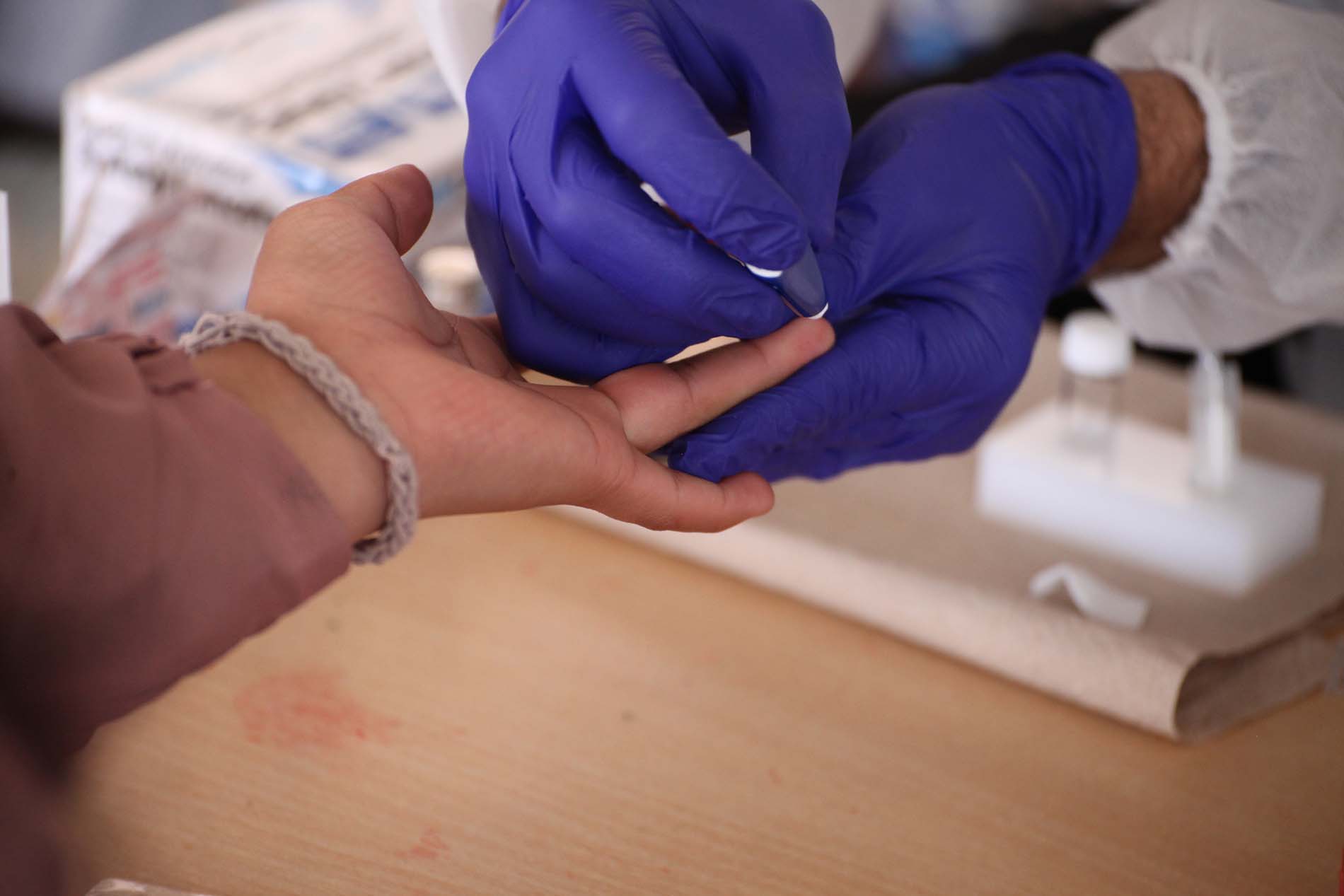
- Collection of blood, urine, saliva, and hair samples
- Depression and anxiety assessments
- Quantification of acetylcholinesterase activity
- Quantification of acetylcholinesterase activity and other measures of pesticide exposure
- Tests to assess certain emotional states
- Liver and thyroid ultrasound
- Pulmonary function test (spirometry)
- General demographic survey for the participant and their family
- Geospatial data collection of participants’ homes and flower plantations
New Follow-Up
In 2022, during the examinations of participants in the ESPINA study, a complementary study called ESPINA-EMCT was launched. This new study involves each participant downloading an app on their mobile phone to complete a series of tests and surveys from the comfort of their own home. These assessments will be conducted 10 times through 2024.
Additionally, on 5 of these 10 occasions, participants will attend an in-person examination in Pedro Moncayo, which will include acetylcholinesterase tests, collection of urine, saliva, and hair samples, as well as measurements of weight and height. The goal of ESPINA-EMCT is to comprehensively assess the impacts of pesticides on participants’ health.